

Each September, as part of Suicide Prevention Awareness Month, organizations around the world work to raise public awareness about suicide prevention and share vital resources for early intervention.
This year, the International Association for Suicide Prevention is encouraging communities around the world to “Change the Narrative” regarding suicide. In Chicago, the Naomi Ruth Cohen Institute for Mental Health Education (NRCI) at The Chicago School played a pivotal role in this work for more than two decades.
This article is the first in a three-part series that will introduce NRCI’s work to change the narrative around suicide, its aspirations to grow from a regional to a national leader in mental health stigma reduction and suicide prevention education, and its ability to create transformational educational experiences for community members and mental health professionals alike through its annual community mental health conference, hosted each spring in the Chicagoland area.
The Beginning of NRCI
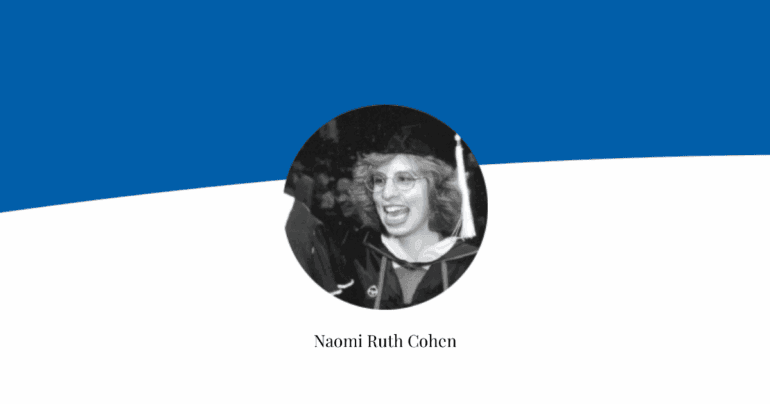
The Naomi Ruth Cohen Charitable Foundation was established in 2000 by Lawrence and Marilyn Cohen to honor the memory of their daughter, Naomi, who was diagnosed with bipolar disorder in 1998 and, two years later, died by suicide.
Since its inception, the organization has aimed to reduce the stigma associated with mental health challenges and suicide by providing education and training to a wide range of individuals, including community members as well as current and aspiring mental health professionals.
“It was the year 2000 when Naomi died,” says Lawrence Cohen. “We were going through a difficult grieving process, and we were also trying to do something that would memorialize Naomi. At the beginning, we planted trees around our synagogue, and we created a scholarship fund, but we wanted to do something that was more permanent. After I gave the eulogy at Naomi’s funeral, many people came up to us and said, ‘I’m glad you talked about it. It’s always been a problem in my family as well, and no one talks about it.’ When we thought about what had hurt Naomi the most, we felt that it was stigma, the inability to talk about her problems. Overcoming the stigma of mental illness became our mission.”
He adds, “The next question was: How do we go about fighting stigma? We wanted to create a program that was accessible and reached all the community, not attached to a specific religion or restricted to mental health professionals. That’s how we started.”
In 2002, this mission was brought to life through the organization’s first community mental health conference in Evanston, Illinois. The conference centered around “Understanding Manic Depressive (Bipolar) Illness” and featured keynote speaker Patrick Corrigan, Psy.D., who had served as an adviser to the President’s New Freedom Commission on Mental Health. At that time, bipolar disorder was estimated to affect 2.5 million Americans, yet little was understood about the condition that remained un- or undertreated. Dr. Corrigan and his colleagues helped identify stigma as one of the three major obstacles preventing Americans with mental illness from receiving proper care.
“The stigma of mental illness is as big a problem as the symptoms themselves,” said Dr. Corrigan, who also spoke at NRCI’s 2003 and 2015 conferences. “It adds this notion of shame. The stigma of mental illness is in the same category as racism, sexism, and ageism.”
Since then, each conference has focused on bringing together mental health professionals, those with lived experience, and the community at large to enjoy timely, meaningful discussions about specific topics related to mental health such as addiction, anxiety, depression, grief, trauma, and concerns that have a prevailing impact in specific populations, such as caregivers, children, boys and men, or girls and women.
Impacting Future Leaders in Partnership with The Chicago School
In 2008, Michael Horowitz, Ph.D., the founder and chancellor of The Community Solution Education System, facilitated the strategic partnership between the Naomi Ruth Cohen Charitable Foundation and The Chicago School.
Designed as an innovative way to deepen the foundation’s commitment to education, the creation of the Naomi Ruth Cohen Institute for Mental Health Education (NRCI) at The Chicago School allowed the organization to expand its mission by assisting in the training of a new generation of mental health leaders.
As a community-facing institute embedded within The Chicago School, NRCI strengthens the ability of individuals and institutions to recognize, understand, and respond to mental health challenges with confidence and care. By integrating academic expertise, lived experience, and community practice, NRCI translates classroom education into practical application, extending the university’s impact. This approach prioritizes accessibility and ensures mental health education reaches diverse communities.
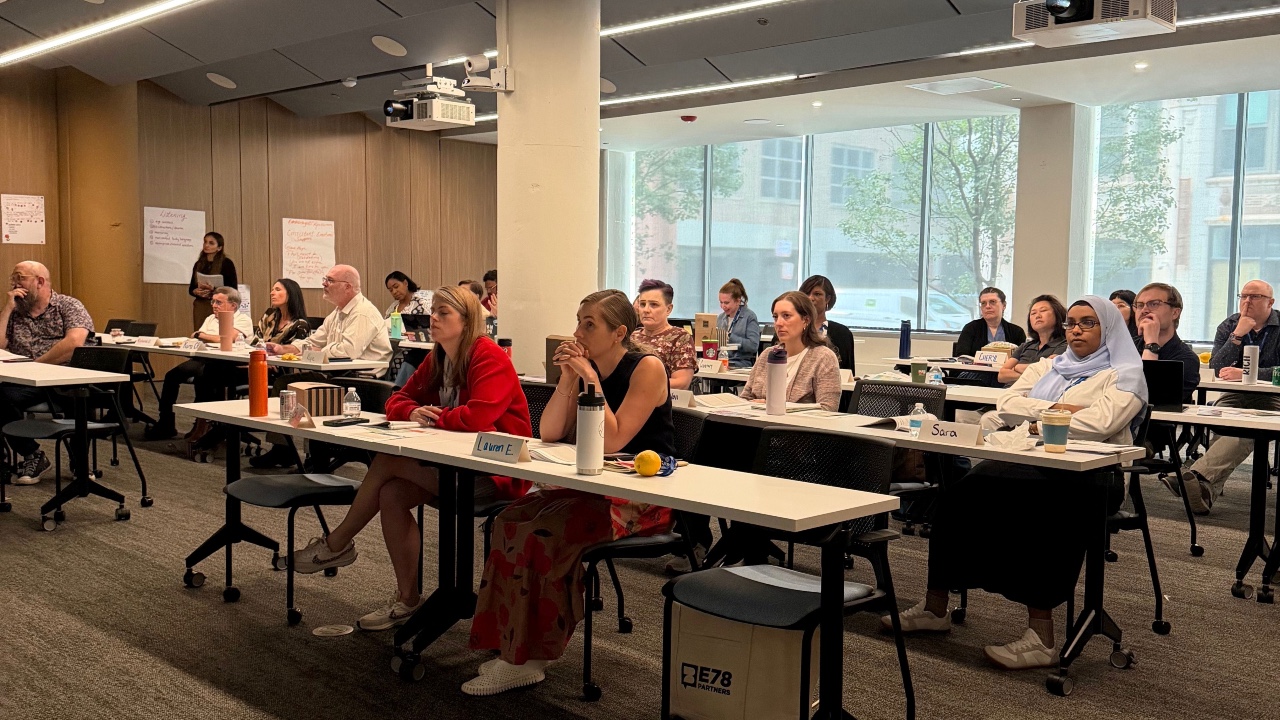
Each year, NRCI offers several programs and training to all members of The Chicago School community, regardless of their location. The partnership with The Chicago School also allows NRCI to provide fellowship and work-study opportunities to students. In turn, the students conduct research; develop, support, and teach a wide range of mental health-related programs; and assist in the planning and execution of NRCI’s annual community mental health conferences and other events. Former NRCI team members have gone on to work as clinical and school psychologists, adjunct professors, and therapists in private practice.
NRCI in 2026: Working to End the Stigma Around Mental Health Conditions
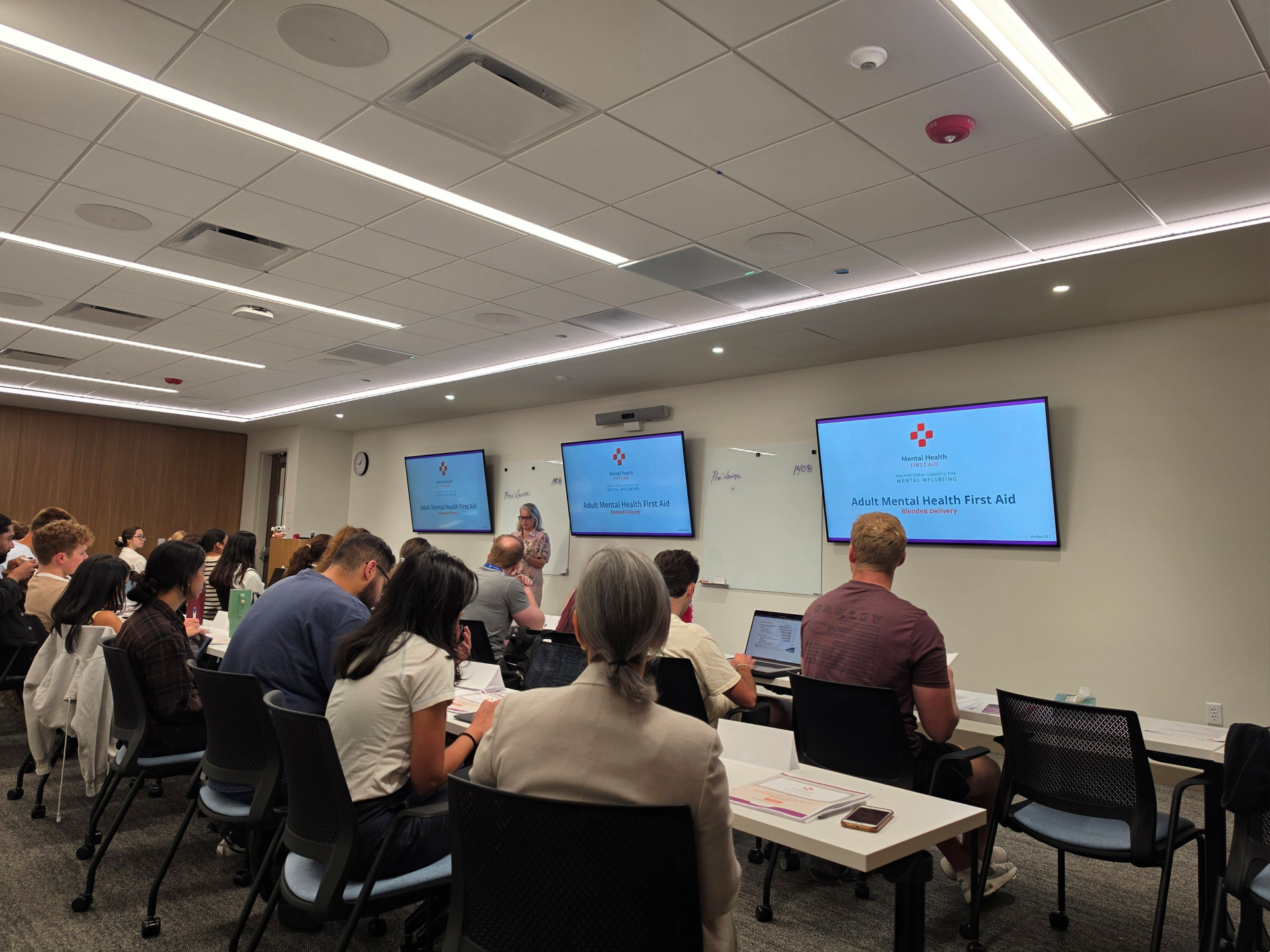
In addition to its conferences, NRCI centers its work around reducing the stigma associated with mental illness and suicide through in-person and virtual workshops and micro-credentials for local, national, and international audiences, including Mental Health First Aid (MHFA) programs and Question, Persuade, Refer (QPR) Suicide Prevention Gatekeeper Training.
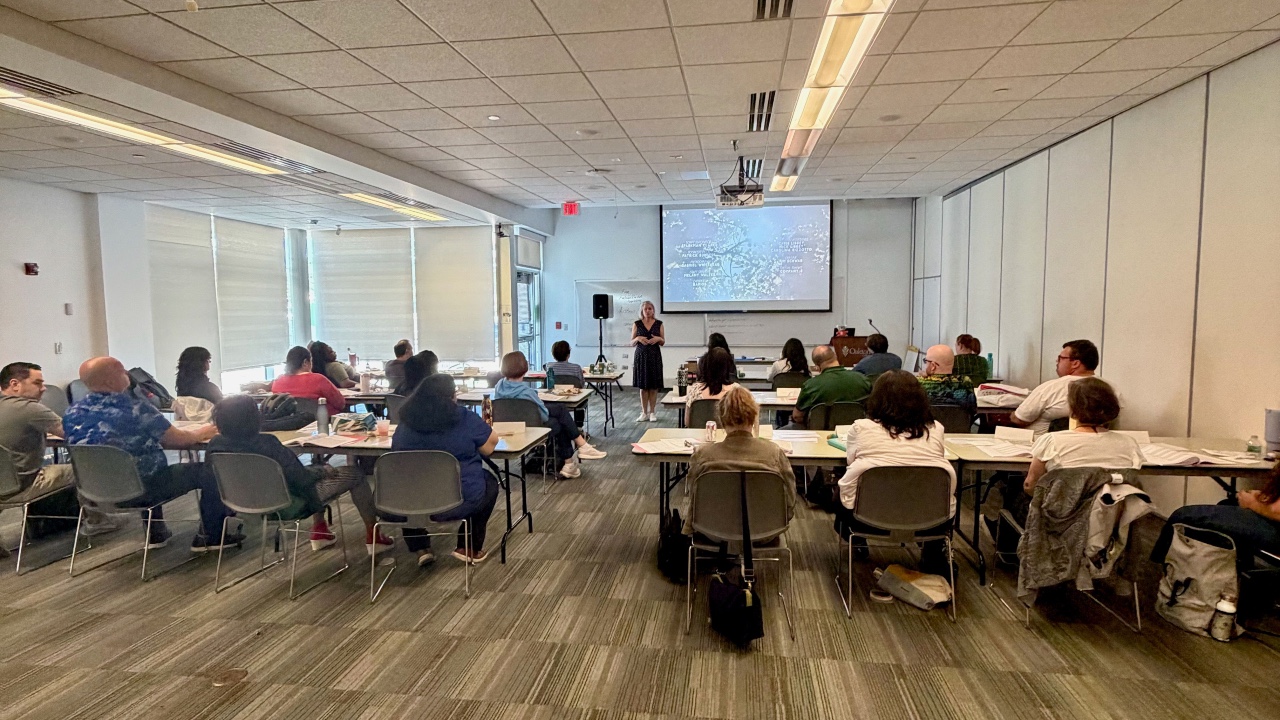
“The broad implementation of Mental Health First Aid and QPR training has contributed significantly to fostering a culture of proactive engagement and shared responsibility for mental well-being across our campus,” says Shelly Brzycki, M.S., dean of students at Rosalind Franklin University of Medicine and Science.
Over the past several years, NRCI has expanded its educational reach through partnerships with higher education institutions, helping prepare students, faculty, and staff to recognize and respond to mental health needs. Most recently, it joined the Illinois College of Osteopathic Medicine’s (IllinoisCOM) mission to produce integrated care professionals versed in both medical and mental health skills needed to provide truly comprehensive, patient-centered care in areas most in need. A partner of the new Chicago School medical school, NRCI contributed to the innovative Mind and Medicine curriculum and supported MHFA and QPR training requirements for all new staff and faculty, as well as the incoming cohort of medical students. In anticipation of IllinoisCOM students’ QPR training, NRCI partnered with the QPR Institute to develop QPR for Medical Students, a version of its evidence-based curriculum tailored for future physicians.
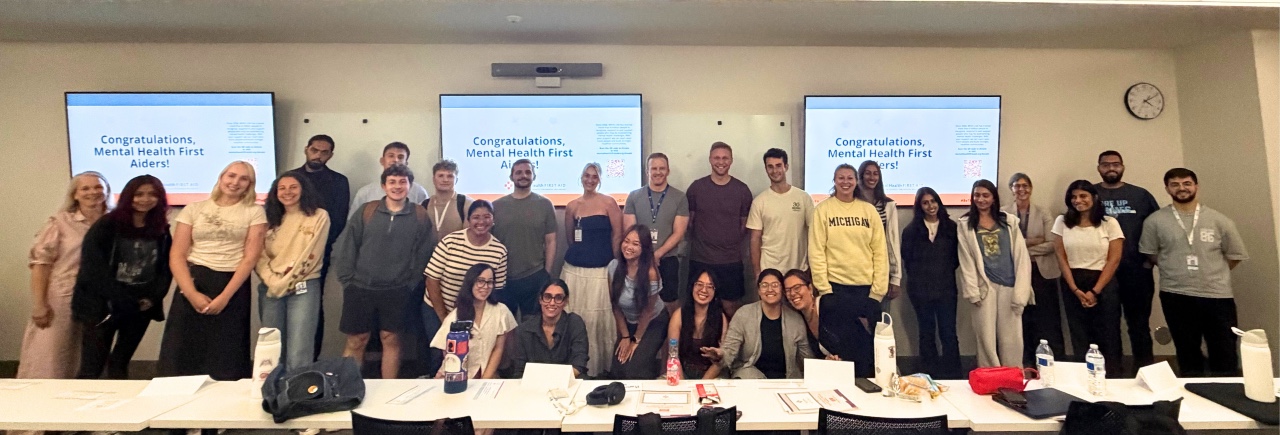
“The mission of IllinoisCOM is to create world-class physicians who are able to care for patients through the lens of osteopathic philosophy—body, mind, and spirit,” says John Lucas, DO, the founding dean and chief academic officer of IllinoisCOM. “We prioritized MHFA and QPR trainings offered by NRCI during our orientation and first weeks of class because we want to ensure that our students can respond with compassion and confidence should their peers or patients experience a mental health crisis, regardless of whether it’s in their professional or personal lives. At IllinoisCOM, we challenge our students to think of patient care in terms of caring for the whole person, and we wanted to make that apparent on day one.”
The Future of NRCI
Under the leadership of executive director Tracy Levine, MSW, LCSW, NRCI remains committed to ending the stigma surrounding mental illness and suicide by providing accessible mental health education to communities and organizations of all sizes and sectors.
As a strategic partner of The Chicago School, NRCI continues to advance the university’s mission to educate change-makers and expand access to culturally competent, integrated care in communities across the country and beyond. This mission is increasingly urgent amid growing physician and mental health workforce shortages across the U.S. NRCI’s goal is to continue to strengthen the student experience and contribute to a collaborative and inclusive institutional culture that translates into real impact in the communities we serve.
“Stigma begins to lose its power when people have the knowledge, language, and confidence to talk openly about mental health and support others,” says Levine. “That has been at the heart of NRCI’s work from the beginning, and it will continue to guide where we go next.”
Join Us in Fighting Stigma
This September, as we promote Suicide Prevention Awareness, we invite you to share in the efforts. Help echo NRCI’s and The Chicago School’s messages on your social channels; bring the conversation to the community, your home, and workplace; learn more about stigma and prevention by joining a training session or event. Whether you’ve been personally impacted by suicide, know someone who has been, or simply want to learn more, don’t miss the opportunity to expand this effort through education. You may be the one who helps someone in crisis.
If you or someone you know is in crisis and needs to talk, the 988 Suicide and Crisis Lifeline is available 24/7 in the U.S. by calling or texting 988. Services are available in English, Spanish, and for the Deaf and hard-of-hearing communities.
Let’s Continue the Conversation
Visit the NRCI website and join its mailing list to receive information about events and opportunities to fight stigma and promote education. Follow NRCI on Instagram (@naomiruthcoheninstitute) or LinkedIn.